


How to Create Impactful Music Videos for Hard Rock and Metal
- Travis B
- Apr 22
- 8 min read

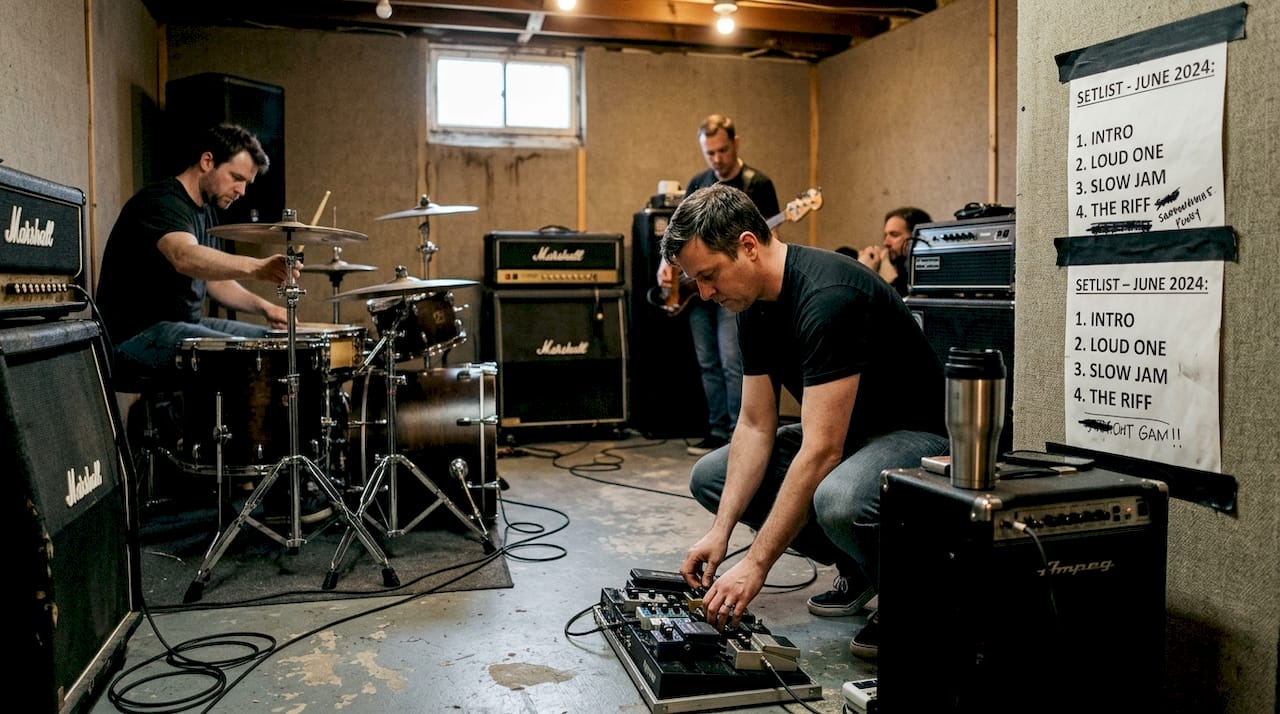
Capturing the raw intensity of hard rock or heavy metal in a music video is genuinely hard. You can feel it in the room when the band is playing, but the moment you hit record, something often gets lost. The energy goes flat, the visuals look generic, and the whole thing feels disconnected from the music itself. We have been there. Performance videos suit hard rock and heavy metal above almost any other format, because they let the live energy breathe. This guide breaks down the tools, filming strategies, editing techniques, and troubleshooting steps that help you make a video that actually hits as hard as your music does.
Table of Contents
Key Takeaways
Point | Details |
Plan with genre in mind | Tailor video concepts, tools, and preparation to the energetic demands of hard rock and metal. |
Performance drives impact | Live energy and authentic presence are more effective than overproduced visuals. |
Balance narrative and chaos | Mixing storytelling with group dynamics or crowd shots creates memorable videos. |
Manage post-production complexity | CGI and green screen effects can cause delays; careful planning prevents bottlenecks. |
Authenticity wins viewers | Raw, imperfect moments often resonate more strongly with audiences than polished effects. |
Essential tools and planning for rock/metal videos
Before you even pick up a camera, you need to know what you are working with and what the shoot is going to demand. Metal and hard rock videos are physically intense productions. Bands move fast, lighting shifts constantly, and the environment is often a dark club or an outdoor space with no easy power source nearby. Planning is everything.
Here is a basic gear list to get you started:
Camera: A mirrorless or DSLR that shoots in at least 1080p (4K preferred). Sony A7 series and Blackmagic Pocket cameras are popular with indie music video directors.
Lenses: A fast 35mm or 50mm prime lens for low light performance shots. A wider 24mm for crowd and environment shots.
Lighting: LED panel lights, practical lighting (like neon signs or stage lights), and at least one portable battery-powered unit for flexible placement.
Tripod and stabilizer: A fluid head tripod for locked-off shots plus a handheld gimbal for moving performance footage.
Green screen: If you plan any VFX or background replacement, a proper chroma key backdrop saves hours in post.
Audio playback: A portable Bluetooth speaker or PA so the band can perform to the track on set.
For editing software, Adobe Premiere Pro and DaVinci Resolve are industry standards. Resolve has a powerful free tier that handles color grading well, which matters a lot for the dark, contrasty look most metal videos need.
Software | Best for | Cost |
DaVinci Resolve | Color grading, editing | Free / Studio paid |
Adobe Premiere Pro | Multi-track editing | Subscription |
After Effects | VFX and motion graphics | Subscription |
Final Cut Pro | Mac users, fast timelines | One-time purchase |
Planning your shoot means creating a shot list, scouting your location at the same time of day you plan to film (lighting changes dramatically), and doing at least one energy rehearsal where the band runs through the track on camera. Multiple camera angles and dramatic lighting are what separate a forgettable clip from something that feels cinematic and alive. You want to capture energetic performances with intentionality, not just point a camera at the stage and hope for the best.
Pro Tip: Scout your club or venue shoot the night before with just your camera and a flashlight. You will spot the ugly spots, the cool corners, and figure out where to place lights before the chaos of a full crew arrives.
Filming: Capturing intense performance and authentic energy
Once you have your gear and your plan, it is time to actually film. This is where the real character of the video gets established, and it is also where most first-time directors either lean too safe or go overboard trying to be cinematic.
Here is a workflow that keeps things organized on a fast-moving set:
Set up lighting and camera positions first. Do not let the band stand around waiting while you troubleshoot gear. Get the space ready, then bring everyone in.
Shoot wide establishing shots before anything else. You want the environment established so editors have context footage to work with.
Run the track three to five times minimum. Capture each run from a different angle or focal length so you have real options in the edit.
Capture close-ups last. Hands on guitars, drumsticks hitting, faces mid-scream. These are your cutaways and they bring the energy home.
Film narrative or skit elements separately. If you are including a story element, block those scenes out and shoot them as their own unit.
The best metal videos blend performance and story without one overwhelming the other. Think about how the ‘Welcome to the Jungle’ video used dark cinematic visuals and real club performance energy to tell a story of arrival and chaos without spelling everything out literally.
“The most powerful visuals in rock and metal come from letting the moment breathe. If the band is locked in, the camera just needs to be in the right place.”
Group dynamics and crowd energy add a layer of authenticity that money cannot buy. If you can bring in real fans or even just friends who genuinely love the music, put them in the frame. Innovative music videos often use this kind of organic chaos strategically, not randomly.
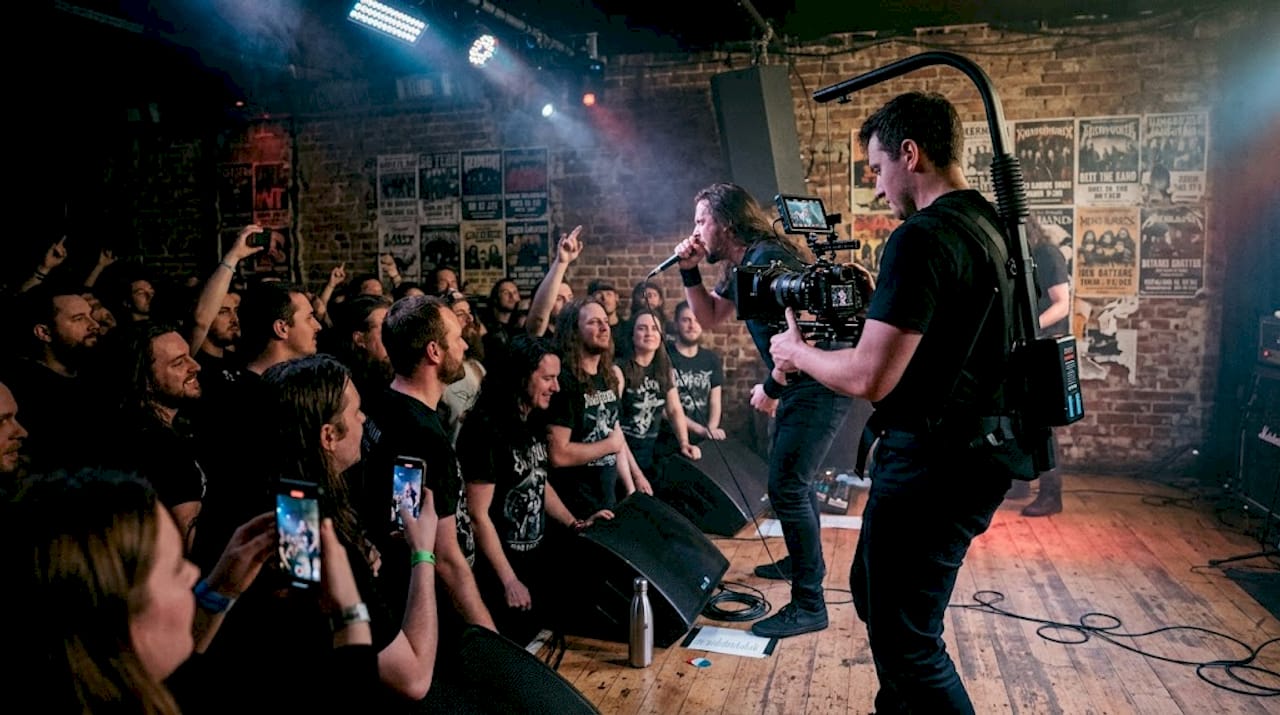
Pro Tip: Avoid over-directing the band on camera. Give them general blocking (stand here, move there), then let them play and react naturally. Stiff, directed performances kill energy fast.
Post-production: Editing for maximum impact and narrative
You have hours of footage now. The edit is where the video either comes together or falls apart, and in metal, the pacing of cuts directly affects how the viewer feels the music. Fast cuts on heavy riff moments, slower holds on emotional or dramatic beats. You are essentially composing a visual rhythm.
Start by organizing all your clips into bins by category: wide shots, close-ups, narrative scenes, B-roll. Then lay your audio track down first and rough-cut to the music. Do not get precious about any single shot. If it does not serve the energy of that moment in the track, pull it.
Color grade early. Even a rough grade helps you see how the footage will actually feel. Metal videos typically favor crushed blacks, cooler shadows, and high contrast.
Add effects in layers. Do not drop in every effect at once. Build the look gradually so you can tell what is working.
Match cuts to the beat. Use your DAW export or the waveform in your editing timeline to cut on hits and drops.
Review on different screens. What looks great on your editing monitor may look muddy on a phone or a TV.
If you are using green screen or CGI elements, plan for a longer runway. Green screen with 600+ CGI shots can push post-production timelines to two months or more. That is not a failure, it is just reality. Build the schedule around it.
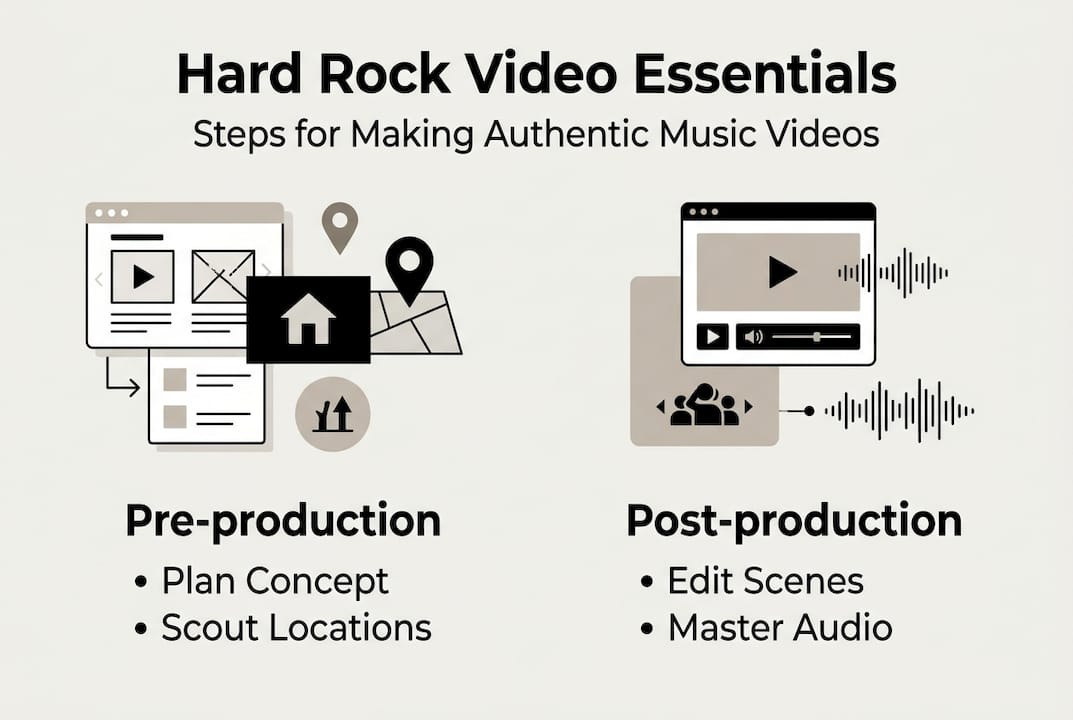
For audio, make sure your audio mastering for video is tight before you lock the final edit. The mix you used for streaming may not translate the same way when married to video, especially in louder, more compressed formats. Check out AI-driven editing tips that are helping indie metal creators speed up their post workflow without losing quality.
Pro Tip: Export a low-resolution draft and watch it on your phone with headphones. This is the closest you will get to how most of your audience will actually experience the video for the first time.
Troubleshooting and fine-tuning: Avoiding pitfalls and perfecting your video
Even experienced directors run into problems. The difference is knowing what to look for and having a plan to fix it before the video goes public.
Common problems to watch for:
Muddy or out-of-sync audio. Always use the mastered track, not a rough mix. Sync issues are distracting and instantly unprofessional.
Flat or inconsistent lighting. One underlit shot in a sequence of dramatic ones pulls the whole thing down. Reshoot or color correct aggressively.
No clear visual narrative. Viewers do not need a full story, but they need something to follow. Give them an emotional thread, not just random footage.
Overuse of effects. Heavy filters, glitch effects, and lens flares can look cool for a moment and exhausting for four minutes.
One of the most honest lessons from studying classic videos is that literal sets and overproduction often age badly and feel disconnected from the music. Authenticity holds up. A genuinely great live performance shot in a gritty venue will outlast a green screen fantasy set that cost ten times more.
“If something feels wrong in the rough cut, it will feel worse on the final export. Fix it early or cut it entirely.”
Build feedback rounds into your schedule. Show the rough cut to two or three people who are honest with you, not just fans. Ask them what confused them, what felt slow, and where they felt the energy most. Then act on what they say. Connect that feedback to the video narrative and emotion you are trying to convey, and make sure every scene earns its place.
Pro Tip: Do not release the video the same day you finish it. Sleep on the final export, watch it fresh the next morning, and make your last notes then. You will catch things you missed every single time.
Why intense authenticity wins over polish in metal music videos
Here is something we have seen play out over and over: the most memorable metal videos are not the most expensive ones. They are the ones where something real happened in front of the camera. A performance that got out of hand in the best possible way. A close-up where you can see sweat and focus in the guitarist’s face. A crowd that actually lost it.
Classic directors understood this balance. Van Halen’s ‘Hot For Teacher’ mixed narrative skits with chaotic performance energy and it worked because both elements felt genuine, not manufactured. The chaos was real, the humor was real, and the band was clearly having the time of their lives.
Modern productions sometimes over-correct and scrub all of that messiness out. The result looks clean but feels empty. We would rather see a video with a slightly shaky handheld moment that captures a true performance beat than a perfectly graded, emotionally hollow clip. In metal, the production impact comes from energy, not perfection. Trust that your audience can feel the difference.
Take your music video production further
If this guide got you thinking about what your next video could be, we want to help you keep that momentum going. At Winter Agony, we have been pushing our own creative boundaries with AI-assisted video production and new approaches to storytelling in hard rock and metal.
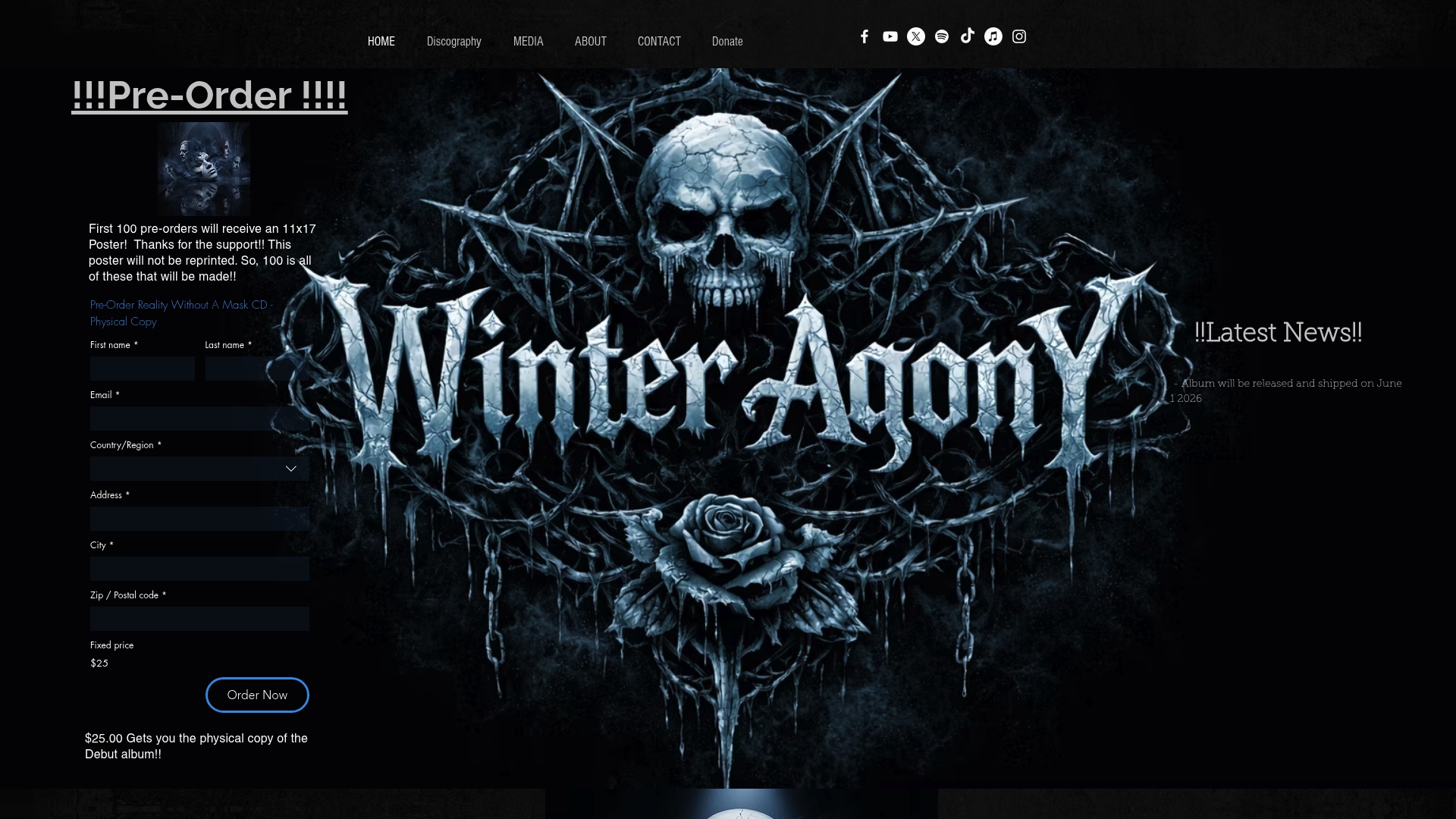
We put together a growing collection of music video guides on our blog that cover everything from AI tools to on-set workflow tips built specifically for musicians working in this genre. Whether you are just starting out or you have a few videos under your belt and want to push further, there is something there for you. Come find your people and keep building.
Frequently asked questions
What is the most important element in a hard rock/metal music video?
Capturing live energy and authenticity is the most crucial element. Performance videos showcase live energy better than any other format for heavy genres.
How can I avoid overproduction in my video?
Focus on genuine performance and real narrative rather than stacking effects or building elaborate literal sets. Overproduction pitfalls often produce videos that age poorly and feel disconnected from the music.
How long does post-production take with heavy CGI?
Post-production can extend to two months or longer when you are working with green screen and 600-plus CGI shots in a single video.
Should I use narrative skits or focus on performance scenes?
A blend works best for most metal videos. Van Halen’s ‘Hot For Teacher’ is a strong example of narrative skits and chaotic performance working together for greater emotional impact.
Recommended
Comments