


Why emotion in metal music matters for fans: 69% agree
- Travis B
- 2 days ago
- 8 min read

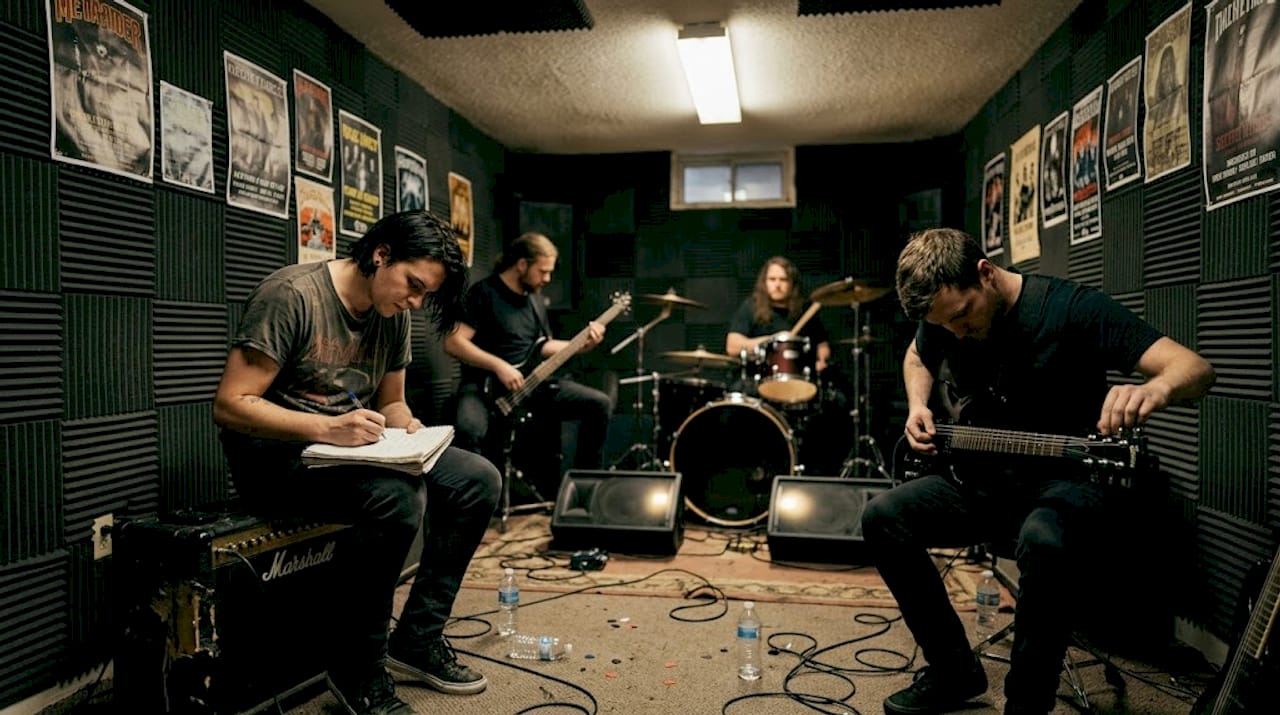
Metal gets written off constantly. People hear the distortion, the screaming, the sheer volume, and they assume it’s just noise or aggression with no deeper meaning. But if you’ve ever stood in a crowd at a metal show and felt something crack open inside your chest, you already know that’s not the whole story. Metal fans report improved mood, reduced stress, and emotional regulation, which tells you something important: this music isn’t about destruction. It’s about feeling things fully, honestly, and without apology. That’s exactly what we want to dig into here.
Table of Contents
Key Takeaways
Point | Details |
Emotion fuels meaning | Metal music’s deep emotional core provides fans with authentic outlets for complex feelings. |
Therapeutic benefits | Fans use metal to regulate mood, reduce stress, and build resilience through community. |
More than anger | Contrary to stereotypes, metal embraces a full spectrum of emotions from despair to hope. |
Community support matters | A strong sense of belonging in the metal scene enhances emotional well-being for fans. |
The emotional power of metal: More than just aggression
Let’s be honest about something. Metal has always carried a reputation problem with people who don’t listen to it. The assumption is that it’s angry music for angry people, and that’s where the conversation usually ends. But anyone who has actually sat with a record, really listened to the lyrics and let the dynamics wash over them, knows the emotional range is enormous.
Metal harnesses anger, yes. But it also carries grief, longing, hope, and even moments of genuine joy. Think about the way a slow doom riff can feel like mourning. Or how a melodic chorus in a power metal track can feel like something close to triumph. The genre doesn’t flatten emotion. It amplifies the full spectrum.
This is why so many fans turn to metal specifically when they’re going through something hard. It’s not escapism. It’s the opposite. Metal meets you where you are and gives you permission to feel it completely. That’s what emotion regulation actually looks like in practice for a lot of people, and metal does it in a way that few other genres even attempt.
The numbers back this up. Metal music provides catharsis and a controlled outlet for intense emotions like anger, grief, and frustration. Research shows:
69% of metal fans actively use the music to regulate their emotions
79% of fans report using metal specifically to experience anger in a safe, controlled way
Fans consistently describe feeling lighter after listening, not more wound up
Lyrics that address real pain create a sense of being understood
That last point matters a lot to us. When we write, we pull from personal experience, real struggles, real moments of doubt and resilience. And the reason we do that is because we know what it feels like to hear a song that says exactly what you couldn’t put into words yourself. That’s the heart of songwriting and emotion in this genre. It’s not performance. It’s honesty.
Stat worth noting: 79% of metal fans use the music to experience anger fully, not to amplify it, but to process and release it.
How emotion is crafted: Sound, secrecy, and stage performance
Knowing that metal carries deep emotional weight is one thing. Understanding how it does that is another conversation entirely, and it’s one worth having.
Sound design plays a massive role. Distortion isn’t just a stylistic choice. It’s a sonic representation of tension, of something pushed past its comfortable limits. Dynamic shifts, where a track drops from crushing heaviness into near silence before building again, mirror the way real emotional experiences actually feel. Loud, then quiet, then overwhelming again. Music production in metal is deliberate in ways that casual listeners often miss entirely.
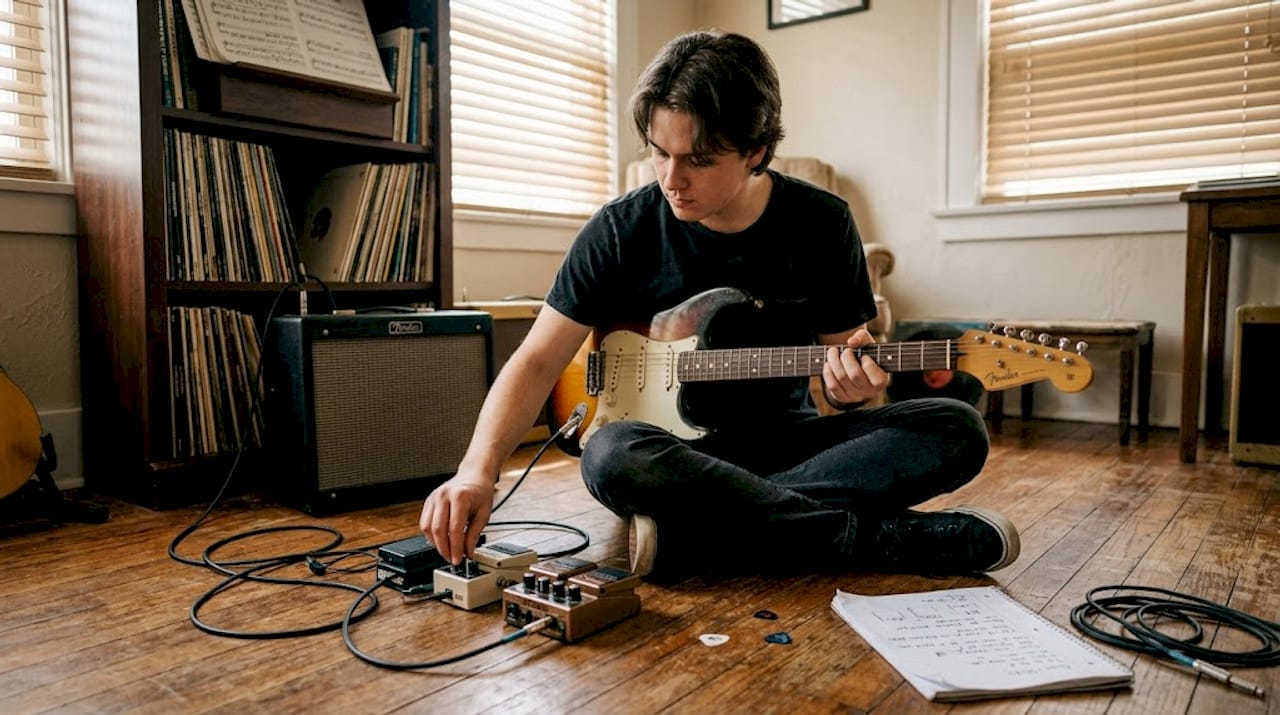
Then there’s the performance element. Some of the most emotionally resonant acts in metal lean into anonymity and theatrical concealment. Masks, robes, hidden identities. This isn’t gimmickry. Anonymity and visual concealment in performances heighten emotional intensity because they remove the distraction of celebrity and force the audience to focus entirely on the music and the feeling it creates. Bands like Sleep Token have built entire emotional worlds around this principle.
Here’s a breakdown of how specific sonic and visual elements map to emotional responses:
Element | Emotional effect |
Heavy distortion | Tension, cathartic release |
Dynamic shifts | Vulnerability, emotional build |
Masked or anonymous performance | Deeper focus on feeling over identity |
Raw, unpolished vocals | Authenticity, intimacy |
Extended instrumental passages | Reflection, internal processing |
Stage performance transforms what starts as a personal emotional experience into something collective. When a crowd of people all feel the same thing at the same moment, that’s a powerful sensory experience in music that goes beyond entertainment. It becomes shared understanding. And metal music videos extend that into the visual space, giving emotion a face and a story.
Pro Tip: If you want to understand how a metal band crafts emotion, listen to the quiet parts. That’s where the real intention lives.
Metal as emotional therapy: Evidence and edge cases
The therapeutic angle of metal isn’t just anecdotal. Research consistently shows that regular listeners experience real mental health benefits, and it’s worth understanding both what the evidence says and where its limits are.
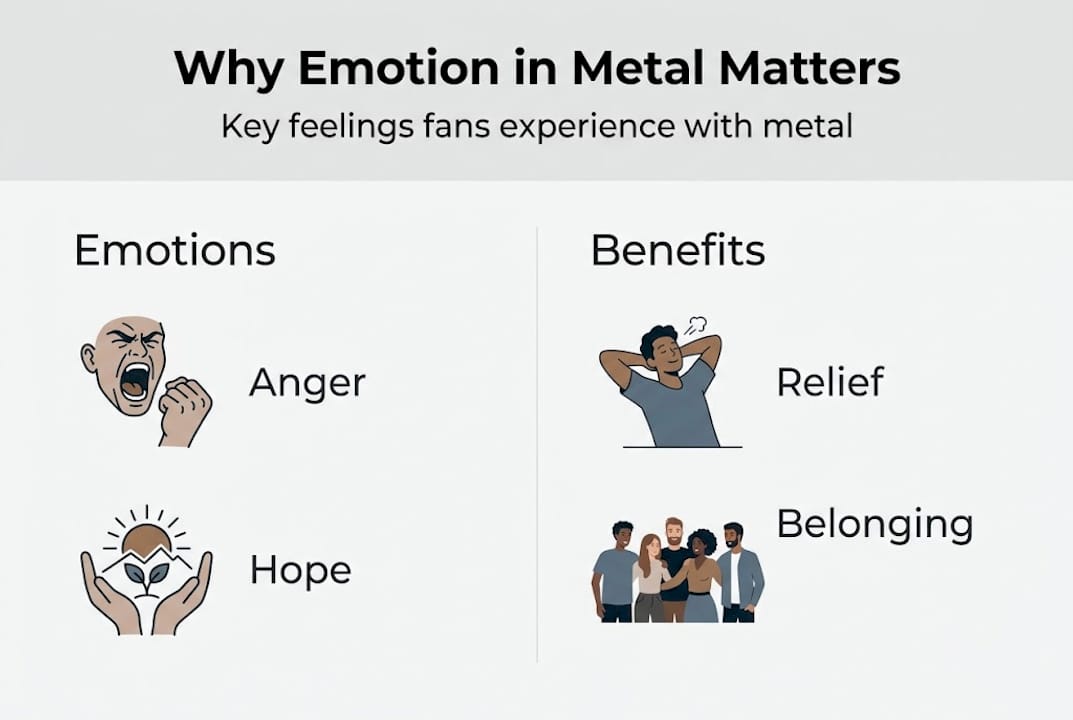
Extreme metal can reduce hostility and irritability in fans and foster a genuine sense of belonging. That’s not a small thing. Reduced hostility means people are processing their emotions rather than carrying them. Belonging means the community around the music is doing real work for people’s mental well-being.
Here’s how the therapeutic benefits tend to show up for regular listeners:
Mood improvement after listening, even when the music is heavy or dark in tone
Reduced stress through the physical and emotional release of engaging with intense sound
Emotional processing of grief, anger, and anxiety through lyrical identification
Sense of community from shared values and shared emotional language with other fans
Increased resilience through repeated exposure to music that validates hard experiences
But here’s the honest edge case: therapeutic music use works best for fans, and less so or not at all for non-fans. Someone who doesn’t connect with the genre may find the intensity distressing rather than cathartic. That’s not a flaw in the music. It’s a reminder that emotional context matters. The same song that gives a long-time fan relief might feel overwhelming to someone without that relationship with the genre.
“The music gave me a place to put everything I couldn’t say out loud. That’s not nothing. That’s everything.”
If you’re someone who writes or creates and wants to understand how to channel this kind of emotional depth, our helpful songwriting guide gets into the specifics of how we approach that process.
Challenging stereotypes: Metal, aggression, and community support
The stereotype is persistent. Metal equals violence, aggression, and social isolation. It gets repeated in news coverage, in parental concern, in casual dismissal. And it’s just not accurate.
Stereotypes link metal music to violence, but fans actually experience emotional resilience and community support. The research keeps landing in the same place: metal fans are not more aggressive, not more troubled, and not more isolated than fans of other genres. In many cases, they’re more emotionally self-aware because the music demands that kind of engagement.
What the metal community actually offers:
Shared emotional language that makes it easier to talk about hard feelings
Acceptance of the full emotional spectrum, including the dark and uncomfortable parts
Live show experiences that create genuine human connection
Online communities where fans support each other through real-life struggles
A sense of identity rooted in authenticity rather than performance
The goth community benefits research parallels what metal communities experience: belonging, reduced isolation, and a space where being different is the norm rather than the exception. Context is everything here. Non-fans sometimes report negative emotional shifts when exposed to metal, but that’s about unfamiliarity and lack of connection, not about the music being inherently harmful.
Pro Tip: If someone in your life dismisses metal as just noise, ask them what music they turn to when they’re going through something hard. The answer usually reveals that everyone needs a place to put their feelings. Metal fans just found theirs.
The way production’s role in perception shapes how people hear and judge metal is also part of this conversation. And if you want to connect with others who get it, the metal fan community is a real and active space.
What most miss about emotion in metal: Beyond the music
Here’s something we genuinely believe, and it comes from years of writing, performing, and living inside this genre. The mainstream narrative about metal and emotion gets it backwards almost every time.
People assume that dark music creates dark feelings. But for fans, it’s the opposite. Giving voice to grief, rage, or despair through music doesn’t deepen those feelings. It moves them. It gives them somewhere to go. The so-called negative emotions that metal explores are not the enemy. They’re information. They’re part of being human, and pretending otherwise doesn’t make them disappear.
What non-fans miss is that catharsis isn’t wallowing. It’s release. And understanding how songwriting translates emotion into something listenable is understanding that the artist is doing the hard emotional work so the listener doesn’t have to do it alone. That’s the real gift of this genre. It tells you that whatever you’re carrying, someone else has been there too, and they made it through.
For us, that’s always been the point.
Explore deeper emotional journeys in US metal
If this resonates with you, if you’ve always known that metal is more than what people on the outside assume, then you already understand what we’re building toward. Winter Agony has been in this space since 2005, writing from personal experience and putting real emotion into every track we’ve made.
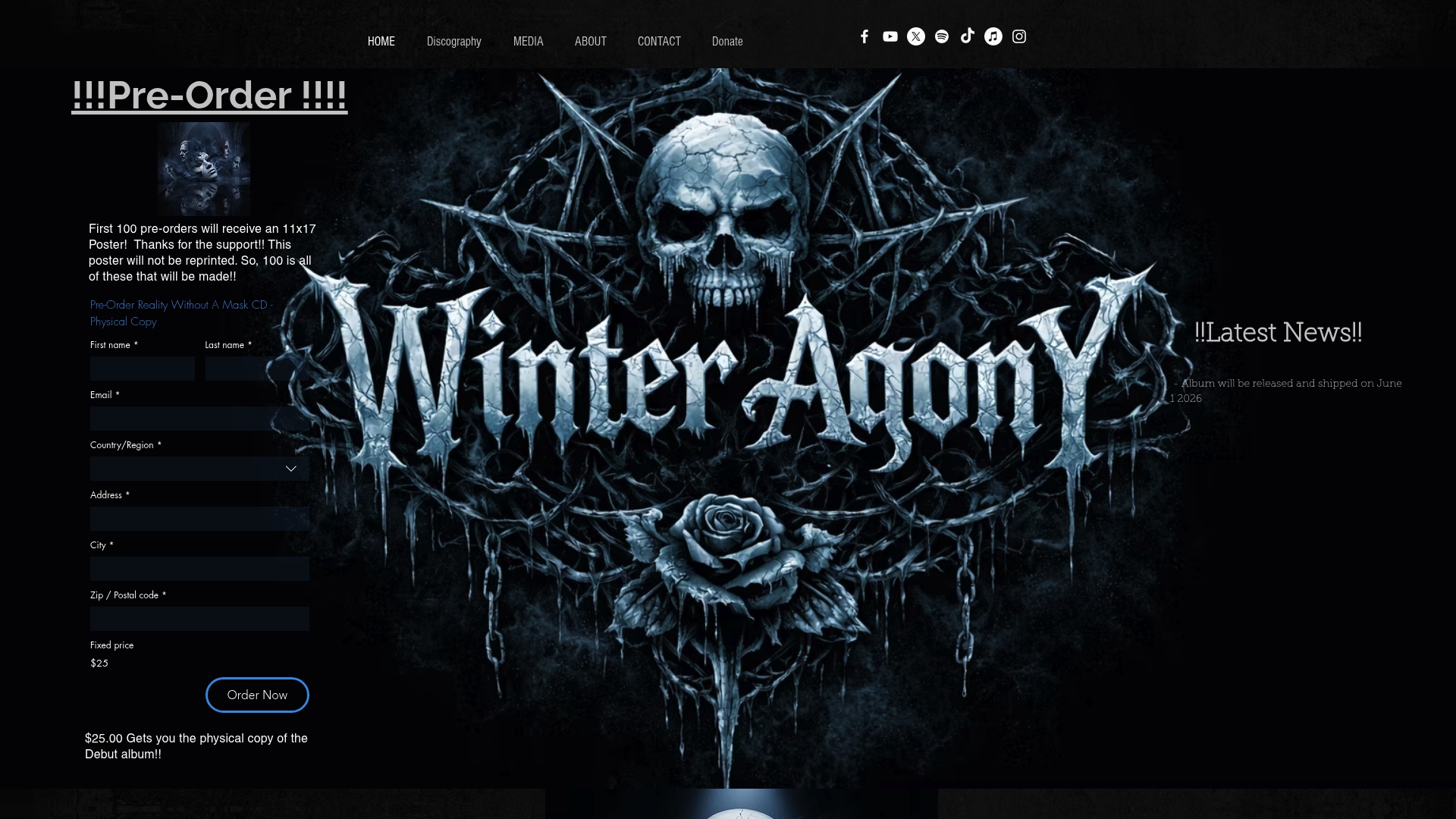
We’re back, we’re creating again, and we’re using every tool available, including AI-driven music video production and vocal innovation, to make sure the emotional depth in our music comes through in every format. If you want to go deeper into the US emotional rock scene, explore our music, our story, and the community that’s been here all along. There’s a lot more waiting for you.
Frequently asked questions
Why do so many metal fans describe the music as therapeutic?
Metal provides cathartic outlets for emotions like anger and grief, and fans report mood improvement and better emotional regulation after listening. The combination of intense sound and honest lyrics creates a space where difficult feelings can be safely processed.
Does metal music make listeners more aggressive or violent?
No. Listening to extreme metal actually reduces irritability and hostility in fans rather than increasing it. The stereotype of metal fueling aggression doesn’t hold up under research scrutiny.
Is emotional expression in metal exclusive to anger?
Not at all. Metal addresses grief, frustration, hope, and more across its many subgenres. Doom, power metal, and post-metal especially explore sorrow, longing, and self-empowerment in ways that go far beyond simple anger.
How does metal differ for fans versus non-fans emotionally?
Fans typically experience positive emotional regulation and mood improvement, while non-fans may experience distress or agitation from the same music. The emotional context and personal connection to the genre make all the difference in how the music lands.
Recommended
Comments