


Kentucky's hard rock and metal legacy: key players
- Travis B
- 1 day ago
- 10 min read

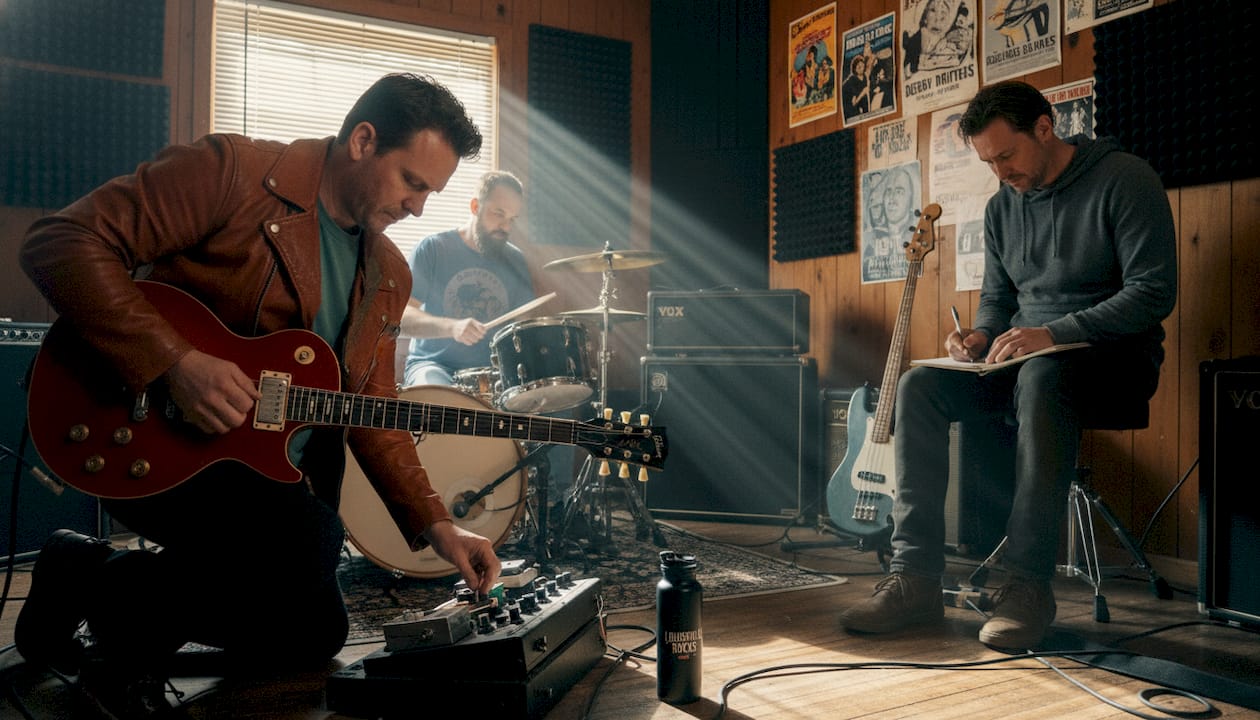
When most people think of Kentucky’s musical identity, they picture banjos, fiddles, and the rolling hills that gave birth to bluegrass. But that picture leaves out a whole other side of the story. Kentucky has produced major hard rock and metal contributors including James Kottak of the Scorpions, Rick Steier and Johnny Edwards both connected to Foreigner and Warrant, and a Louisville scene that quietly became one of the South’s most important heavy music incubators. This guide walks through that history, names the players, and explains why it matters to anyone serious about the genre.
Table of Contents
Key Takeaways
Point | Details |
Diverse musical roots | Kentucky’s influence extends far beyond bluegrass, shaping hard rock and metal sounds. |
Notable band origins | Louisville produced renowned groups like Flaw and Bride that left a national impact. |
Major artist contributions | Musicians like Kottak, Steier, Edwards, and Belew brought Kentucky’s talent to world stages. |
Unique regional blend | Kentucky’s rock and metal scene uniquely fuses rural and urban musical traditions. |
Lasting legacy | Kentucky continues to be an active and innovative force in hard rock and metal music. |
From bluegrass roots to heavy riffs: Kentucky’s musical journey
To understand why Kentucky matters in hard rock and metal, it’s crucial to see how its musical landscape evolved beyond its traditional image. And that evolution is genuinely fascinating because it didn’t happen in spite of the state’s roots. It happened alongside them.
Kentucky’s musical identity has always been layered. The Appalachian tradition of storytelling through song, the raw emotional honesty of country and folk, the communal energy of front porch picking sessions, all of that created a foundation that rock and metal musicians could either rebel against or build on. Most Kentucky rock artists did a little of both. They carried that emotional directness into heavier sounds, and it gave their music a certain authenticity that stood out.
The shift toward harder sounds accelerated in urban centers. Louisville especially became a place where young musicians who grew up hearing bluegrass found themselves drawn to Black Sabbath, Led Zeppelin, and eventually the thrash and glam movements of the 1980s. The rock music evolution that was reshaping America found fertile ground in Kentucky’s cities, where venues started booking heavier acts and local bands had room to develop their own sound. And Louisville emerged as a true hub) for heavier rock and metal, fostering bands like Flaw, Bride, and Buster Brown while sending individual musicians out to join iconic groups on the national stage.
Here’s a quick look at the key genres that have defined Kentucky’s musical identity over time:
Bluegrass and Appalachian folk (traditional foundation)
Country and Southern rock (crossover mainstream appeal)
Hard rock and classic rock (1970s and 1980s growth)
Glam metal and heavy metal (Louisville’s contribution to the national scene)
Nu metal and alternative metal (Flaw’s generation, late 1990s and 2000s)
Christian metal (Bride’s pioneering work from 1986 onward)
Black metal and folk metal (Panopticon’s modern underground impact)
That’s a wide range. The evolution of hard rock as a genre runs right through Kentucky in ways that rarely get the credit they deserve.
Notable Kentucky musicians in hard rock and metal
With this evolution in mind, let’s look at the musicians who put Kentucky on the rock and metal map. These aren’t obscure figures. These are people who played arenas and appeared on major label releases that helped define entire eras of the genre.
Kentucky’s hard rock contributions include some genuinely significant figures. James Kottak from Louisville played drums for Kingdom Come, Warrant, and then the Scorpions, one of the best-selling rock acts in the world. Rick Steier, also from Louisville, was a guitarist in both Kingdom Come and Warrant. Johnny Edwards, another Louisville native, became the vocalist for Foreigner after fronting Buster Brown. These aren’t footnote artists. These are musicians who shaped the stories of hard rock legends that fans still celebrate today.
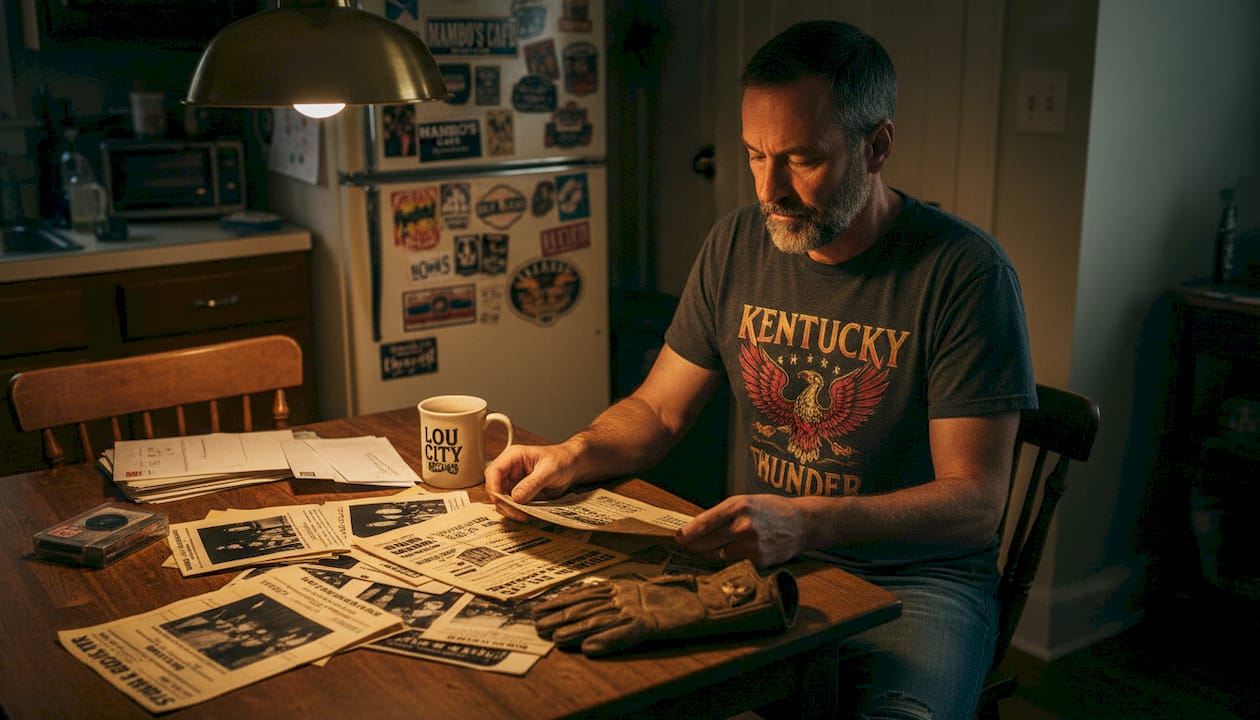
Then there’s Adrian Belew. From Covington, Kentucky, Belew served as King Crimson’s guitarist and frontman from 1981 through 2009, bringing a wildly inventive approach to progressive rock that influenced countless guitarists. His range was extraordinary, from intricate textural work to aggressive riffing, and he collaborated with David Bowie and Talking Heads on top of his work in King Crimson.
Here are some career highlights across these four artists:
James Kottak joined Kingdom Come in the late 1980s during one of rock’s most commercially explosive periods.
Kottak went on to become the full-time drummer for the Scorpions, touring globally and recording multiple albums with the band.
Rick Steier co-wrote and recorded with Warrant during the glam metal era, contributing to albums that moved millions of copies.
Johnny Edwards fronted Foreigner at a time when the band was still releasing commercially active material, keeping a legendary lineup relevant.
Adrian Belew’s tenure with King Crimson helped redefine progressive rock’s sonic possibilities in the 1980s and beyond.
Belew’s guitar style, which often mimicked animal sounds and unconventional textures, influenced the experimental edge of rock for decades.
Kentucky musician | Primary band affiliation | Genre influence | Louisville origin |
James Kottak | Scorpions, Warrant | Glam metal, hard rock | Yes |
Rick Steier | Warrant, Kingdom Come | Glam metal | Yes |
Johnny Edwards | Foreigner, Buster Brown | Classic rock, hard rock | Yes |
Adrian Belew | King Crimson | Progressive rock | Covington, KY |
Pro Tip: Don’t stop at these names. Kentucky has produced dozens of regional artists in metal and hard rock who never got national coverage but whose musicians’ journeys shaped local scenes in powerful ways. Dig into Louisville’s club history and you’ll find a much bigger story.
Louisville: The unsung hub of heavy music
While these musicians traveled the world, Louisville itself nurtured a unique heavy music ecosystem worth deeper exploration. The city had something working in its favor that a lot of Southern towns didn’t. It sat at a crossroads, both geographically and culturally, pulling in influences from Midwestern industrial rock, Southern rock traditions, and the mainstream metal scenes coming out of Los Angeles and New York.
Flaw, from Louisville), signed to Republic/Universal and released Through the Eyes in 2001, which became one of the most honest representations of nu metal’s emotional core. Their sound mixed aggression with genuine vulnerability, and it resonated with listeners who felt underserved by the more polished mainstream acts of the era. Flaw wasn’t manufactured. They came up through real hard work and real struggle, and it showed in every track.
Then there’s Bride, a Christian metal and hard rock band formed in Louisville in 1986. Bride was part of the first wave of Christian metal, a genre that gets dismissed too easily by mainstream rock historians. The band played heavy, technically solid music that stood on its own merits regardless of the lyrical perspective. Their existence proved that Louisville’s metal community wasn’t defined by a single sound or a single worldview.
Factor | Louisville bands | Other Southern city acts |
Genre range | Nu metal, Christian metal, glam, progressive | Often blues-based rock, Southern rock |
National label signings | Multiple (Republic/Universal for Flaw) | Fewer metal-specific signings |
Religious music integration | Pioneering (Bride, 1986) | Less prominent in heavy subgenres |
Cross-genre experimentation | Strong tradition | More genre-consistent |
Louisville’s infrastructure also deserves recognition. The city has long supported original music through its network of independent venues, local radio support, and a community that takes its music seriously. Local spots gave bands like Flaw and Bride the room to develop over years before anyone outside of Kentucky was paying attention.
Here are a few resources and factors that shaped Louisville’s heavy scene:
Independent venues that booked heavy acts long before it was commercially safe
A regional fan base that showed up consistently and kept local bands alive financially
Recording studios that gave bands access to real production experience
A culture of musical diversity that let metal coexist with Louisville’s broader artistic scene
Pro Tip: If you ever get the chance to visit Louisville, look up the venues that have histories with rock and metal. Some of them are still operating and still booking original heavy acts. That living connection to the past is something you can’t get from a documentary. The power of heavy music is best felt in the rooms where it was born, and understanding music production’s role in shaping that sound adds another layer to the experience.
How Kentucky musicians shaped the genre’s evolution
Having explored Louisville’s scene, we can better understand how Kentucky artists influenced rock and metal’s evolution and reputation on a larger scale. This wasn’t just a local phenomenon. The musicians who came out of Kentucky carried their experiences into major label projects, international tours, and genre-defining records.
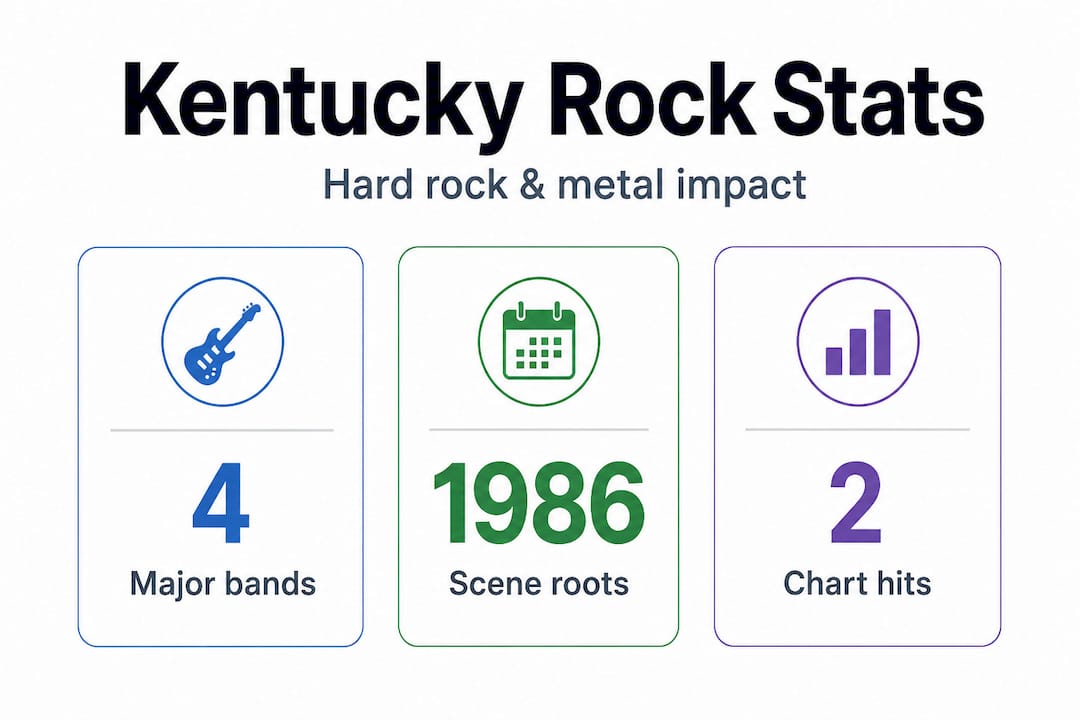
The chart impact was real. Kottak and Steier contributed directly to Warrant and the Scorpions during the height of the hard rock and glam metal era in the late 1980s and early 1990s. These were bands selling millions of records and filling arenas. Having Louisville-born musicians in those lineups wasn’t a coincidence. It reflected the genuine talent that the city was producing and exporting.
On the underground side, Panopticon’s album Kentucky stands as one of the most fascinating genre-blending records in recent metal history. The album weaves Appalachian folk and protest song traditions directly into black metal aggression, creating something that couldn’t have been made anywhere else. It’s specific to this place, to this state’s history, to the coal mining struggles and the human cost of industrial labor. It gained significant underground acclaim because it felt honest in a way that a lot of metal doesn’t.
Here’s a list of genre-defining records connected to Kentucky artists:
Through the Eyes by Flaw (2001), nu metal landmark from Louisville
Kentucky by Panopticon (2012), black metal and Appalachian folk fusion
Multiple Scorpions albums featuring James Kottak on drums
Warrant’s Dirty Rotten Filthy Stinking Rich (1989), with Louisville musicians in the lineup
Bride’s early catalog, foundational for Christian metal as a recognized subgenre
“Kentucky’s musical identity has never been just one thing. The same emotional rawness that powers bluegrass shows up in the best hard rock and metal coming out of this state. The sounds are different but the heart driving them is the same.”
The impact of production choices by these artists also helped shape what heavy music could sound like from a technical standpoint. Flaw’s production on Through the Eyes leaned into a raw, unpolished intensity that separated them from more commercially slick contemporaries. That choice reflected something real about where they came from.
Why Kentucky’s hard rock legacy deserves greater recognition
Zooming out from the facts and bands, it’s time to consider why Kentucky’s role in the story of heavy music deserves much more attention. And honestly, we feel this one personally. We formed Winter Agony right here in Kentucky in 2005, and we know firsthand how easy it is for people outside the state to overlook what’s been built here.
The main reason Kentucky gets overlooked is simple. Larger cities dominate the narrative. Los Angeles gets credited for glam metal. Seattle owns the grunge story. New York and London anchor the metal origin story. When the history gets written, it gets written around cultural capitals, and mid-sized cities in states with strong regional identities like Kentucky end up in footnotes. But the musicians who came out of Louisville weren’t second-rate versions of what was happening in bigger markets. They were operating at the same level and often bringing something more authentic because they didn’t have the pressure of being in an industry epicenter.
The overlooked piece we really want to push back on is the dismissal of the bluegrass-to-metal connection. People treat these as opposites. They’re not. The emotional honesty, the storytelling instinct, the willingness to be vulnerable in a song, those are exactly the things that make heavy music matter to people. Appalachian music and heavy metal share more DNA than most critics want to acknowledge. Panopticon proved that on record. But the connection runs through a lot of Kentucky music that never got that kind of explicit attention.
“The best Kentucky rock and metal doesn’t run away from where it came from. It takes that heritage and turns it up to eleven.”
Pro Tip: If you write about music or run a blog covering rock history, consider profiling regional scenes alongside the major market narratives. The broader band influences that shaped the genre include hundreds of stories from places like Louisville that deserve real documentation before they fade from collective memory.
The history is there. It just needs people willing to tell it.
Explore more of Kentucky’s rock and metal heritage
If this glimpse into Kentucky’s hard rock and metal traditions intrigues you, there’s a lot more to uncover. We’ve been living this story since 2005, and we believe the more fans dig into regional music history, the more they understand why the genre sounds the way it does today.
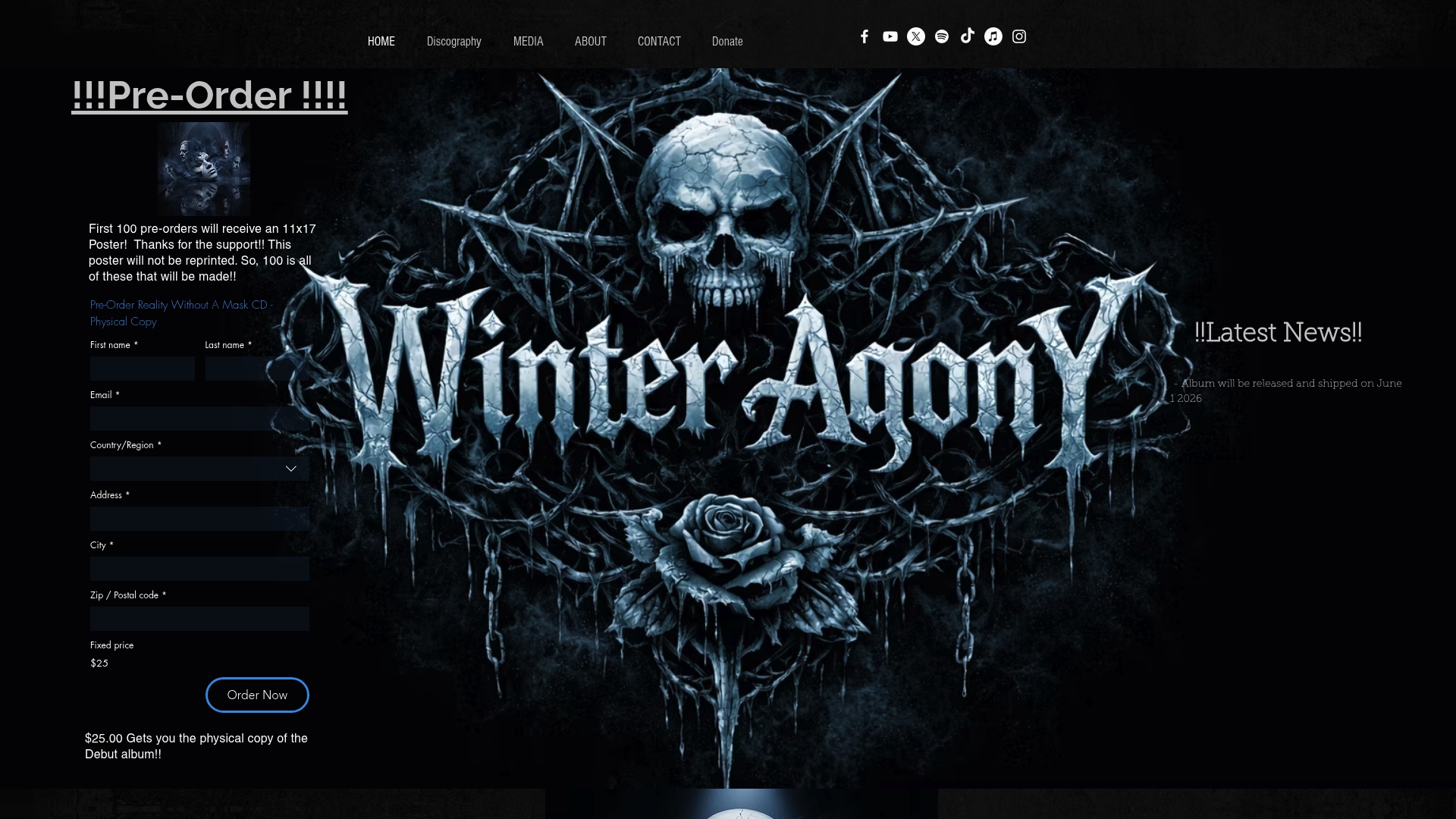
At Winter Agony, we’ve spent years building on the Kentucky rock legacy that artists like Kottak, Belew, and the Louisville scene established before us. Our music draws from that same honest, emotionally direct tradition while pushing forward with new production tools, including AI-assisted music videos and vocal work that keeps our artistic vision intact. If you want to keep exploring, start with tracing rock’s history and see how the full arc of the genre connects to what Kentucky artists helped build. There’s a bigger story here, and we’re proud to be part of it.
Frequently asked questions
Which famous hard rock or metal bands originated in Kentucky?
Flaw and Bride), both from Louisville, are among Kentucky’s most notable contributions to the genre, with Flaw signed to Republic/Universal and Bride pioneering Christian metal from 1986 onward.
How has Kentucky influenced the evolution of hard rock and metal?
Kentucky musicians helped shape glam, nu metal, and progressive rock by blending diverse influences and achieving real chart impact. Artists like Kottak and Steier contributed to major 1980s and 1990s releases, while Panopticon’s Kentucky brought Appalachian folk into black metal with underground acclaim.
Who are the most influential Kentucky-born musicians in rock and metal?
James Kottak, Rick Steier, and Johnny Edwards from Louisville and Adrian Belew from Covington are the most prominent, with careers spanning the Scorpions, Warrant, Foreigner, and King Crimson.
Is Louisville still active in the hard rock and metal scene?
Yes. Louisville remains a hub) for heavy music with active local acts, venues that have long histories with heavier sounds, and a fan community that has kept the scene going for decades.
Recommended
Comments