


Unforgettable Emotional Music Video Ideas for Heavy Music
- Travis B
- 3 days ago
- 10 min read

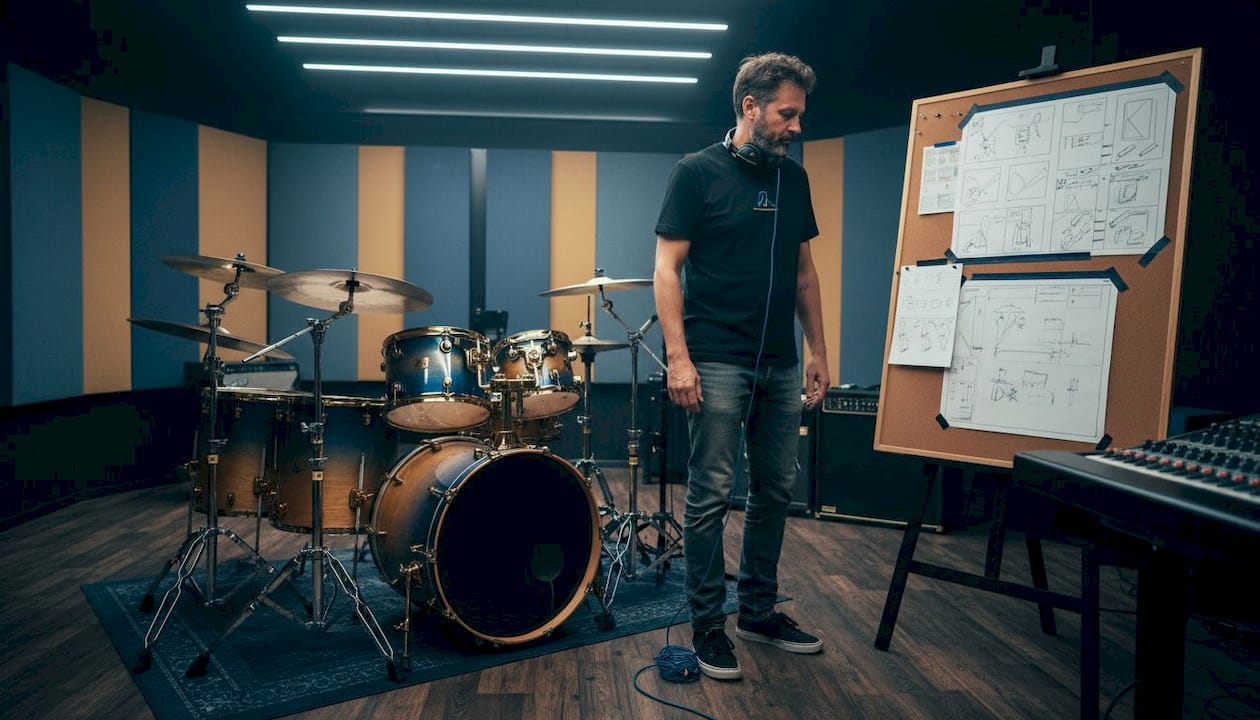
Conveying raw, personal emotion in a heavy music video is harder than it looks. The intensity of the genre can bulldoze meaning if you’re not careful, and suddenly your video is just fire, aggression, and noise with nothing underneath. We’ve been there. As Winter Agony, a hard rock and heavy metal band born in Kentucky back in 2005, we’ve wrestled with that balance through years of writing and performing music drawn straight from personal struggle and resilience. This article lays out a creative roadmap for building music video ideas that hit harder because they’re real, not just loud.
Table of Contents
Key Takeaways
Point | Details |
Emotional clarity first | Your video should prioritize authentic emotion over flashy effects for lasting resonance. |
Narrative and abstraction | Both storytelling and metaphorical imagery are powerful tools for evoking strong feelings. |
Modern tech amplifies emotion | AI tools and editing styles can enhance, but not replace, your creative vision. |
Authenticity wins | Real vulnerability stands out in heavy music videos more than technical perfection. |
How to build an emotional core: Key criteria that matter
With the importance of emotional storytelling clear, let’s break down the creative building blocks. Before you touch a camera or write a single shot list, you need criteria. A filter. Something that tells you whether an idea is emotionally honest or just visually flashy. For heavy music, that distinction matters more than most creators realize.
The biggest mistake we see in metal and hard rock videos is treating visual spectacle as a substitute for feeling. Big explosions, extreme lighting rigs, frantic editing—none of that replaces a genuine human moment on screen. The goal is visual coherence, meaning every shot should serve the emotional truth of the song.
Here’s what that actually looks like in practice:
Color grading as mood: A desaturated, cold grade signals isolation and grief. Pushed contrast with amber tones can signal memory, nostalgia, or burning anger. These are not decorative choices. They are emotional language.
Choreography over chaos: Deliberate, purposeful movement from performers communicates intention. Random head-banging reads as energy but rarely as meaning. Choreographed movement, even in subtle ways, tells a story.
Subtle transitions over hard cuts: A slow dissolve between a present-day scene and a flashback creates emotional tension that a jump cut never could.
Restraint with VFX: Heavy visual effects often undercut emotional weight by pulling the viewer into technical admiration instead of feeling.
Directors who understood this early on changed the whole game. Filmmakers like Fincher and Sigismondi honed emotional tension in alt-metal videos, including iconic Nine Inch Nails collaborations, influencing the cinematic techniques still used across heavy genres today.
“The best music videos for heavy music don’t just show intensity. They show what’s underneath it—the wound, the memory, the reason.”
The director’s challenge is always this triangulation: raw intensity, narrative clarity, and emotional relatability. Push too hard on intensity, you lose the story. Ignore intensity, you lose the genre’s soul. Relatability is what connects fans personally to the visuals.
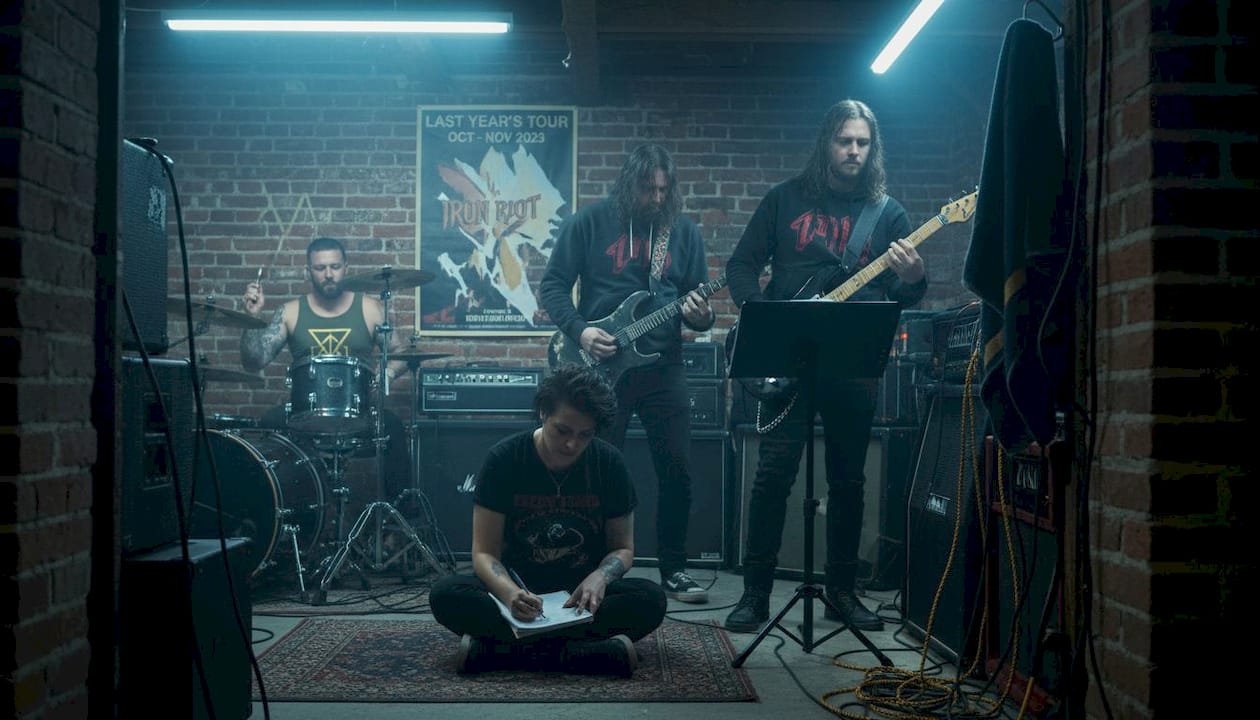
Pro Tip: Before committing to any concept, ask yourself one question: “If you muted this video completely, could a stranger still feel something?” If the answer is no, you need to rework the emotional architecture of the piece before anything else.
If you want to see what impactful music videos actually look like in the heavy space, studying real examples alongside these criteria is one of the best ways to sharpen your instincts fast.
Cinematic storylines: Narrative-driven approaches for maximum impact
Having set criteria, creators can now use narrative frameworks to drive emotional punch. There are four core narrative archetypes that work especially well in heavy music video storytelling, and each one gives you a different emotional entry point for your audience.
Personal transformation: A character in clear pain at the start moves through struggle to a moment of acceptance, change, or defiance. This arc resonates deeply because it mirrors the real emotional experience of listening to heavy music. The song itself often is the transformation, so the video amplifies that journey visually.
Cathartic breakdown: No neat resolution. The video captures the moment of falling apart, and the emotional payoff is the release itself, not a happy ending. This is raw, uncomfortable, and incredibly powerful when done honestly. It respects the audience enough to not wrap everything up neatly.
Mythical voyage: Draw from archetypal imagery, journeys, trials, symbolic battles. This archetype allows abstraction and scale without losing emotional truth, because the universality of the myth makes it personally relevant to almost any viewer.
Social commentary: Use visual storytelling to point at something real in the world. Systemic failures, community struggles, collective grief. Heavy music has always carried social weight, and a video that amplifies those themes gives the song political and cultural staying power.
One of the most effective tools across all four archetypes is non-linear storytelling. Flashbacks, fragmented timelines, and scene intercutting create mystery and emotional tension that linear narratives can’t always achieve. The viewer is actively engaged, piecing together a story the way memory actually works, which makes the emotional impact more personal and immersive.
Visual coherence over spectacle is the guiding principle here: color grading, choreography, and audio layers should carry the non-explicit emotional weight rather than relying on surface-level intensity.
The key to making any of these archetypes work for your band specifically is sourcing them from real experience. Our music at Winter Agony draws directly from what we’ve lived, and viewers feel that difference. When you turn a genuine band or fan experience into a visual arc, the authenticity shows in ways that no budget can manufacture.
Pro Tip: Write a one-paragraph synopsis of your video’s emotional journey before you script anything visual. If you can’t summarize what the character or narrative feels in a paragraph, the concept isn’t fully formed yet.
Understanding emotion in metal videos from a fan’s perspective also gives creators important insight into why certain stories land while others feel disconnected.
Visual metaphors and abstract concepts: Beyond the literal
After narrative exploration, creators can move into abstract and symbolic territory. Sometimes a song’s emotional truth is too complex, too layered, or too personal for a linear storyline to capture. That’s where visual metaphor becomes your most powerful filmmaking tool.
Metaphor allows you to express what language struggles to say. Lyrics that deal with loss, disconnection, or inner conflict can be visualized through imagery that speaks at a subconscious level. When the audience feels the meaning without being told it explicitly, that’s when a video crosses from good to unforgettable.
Some of the most effective metaphoric visuals in heavy music videos include:
Cycles and repetition: A character repeating the same action (walking through the same door, striking the same surface) communicates being trapped, helpless, or unable to escape a pattern. It’s unsettling and deeply relatable.
Decaying objects: Rotting wood, crumbling walls, dying flowers filmed in real time or through time-lapse speak to grief, time passing, and the slow erosion of something once valued.
Shifting and unstable light: Flickering lights, inconsistent exposure, and light that seems to move with emotional shifts all communicate psychological instability in ways that feel real rather than theatrical.
Water as emotional state: Still water for calm or dissociation, rushing water for overwhelm, dark water for depression or the unknown.
Directors like Fincher and Sigismondi built careers on pairing exactly these kinds of visual tensions with heavy music, creating an emotional atmosphere that feels cinematic without needing a Hollywood budget.
“Abstract doesn’t mean confusing. The best symbolic visuals make viewers feel understood in ways they can’t always articulate, and that’s the whole point.”
When pairing lyric themes with imagery, the trick is contrast and reinforcement. Sometimes the most powerful move is to show the opposite of what the lyrics say (a quiet, still landscape over lyrics about explosive anger) which creates a tension that forces the viewer to sit with both realities at once. Other times, direct reinforcement works, especially when the visual literalizes an abstraction and makes it suddenly, viscerally clear.
Exploring innovative video concepts can help you see how other heavy music artists have pushed metaphor and abstraction into genuinely moving creative territory.
Technology and style: Tools for deepening emotion
With conceptual ideas in hand, the right technology and style make those emotions vivid. The good news for independent and DIY creators is that the tools available now are genuinely extraordinary, and you don’t need a major label budget to use them effectively.
Tool or technique | Emotional effect | Budget level |
AI-generated visuals | Surreal mood shifts and dreamlike sequences | Low to medium |
Color grading presets | Consistent emotional tone throughout | Low |
Live performance overlays | Authenticity and raw energy | Low |
Slow-motion cinematography | Weight and emotional pause | Low to medium |
Practical lighting effects | Tension, instability, atmosphere | Low |
AI tools for music videos have made it possible for independent artists to create visual sequences that would have cost thousands of dollars just a few years back. AI can generate atmospheric backgrounds, transition effects, and visual mood shifts that reinforce emotional content without needing a full production crew.
Visual coherence through color grading and choreography remains one of the most effective tools for translating heavy emotional themes, even when the budget is tight.
Here are some micro-budget moves that create outsized emotional impact:
Shoot in a single location but use lighting changes to mark emotional shifts in the narrative
Use a handheld camera intentionally to create unease or intimacy rather than accidentally for a shaky look
Layer your performance footage with b-roll shot in practical locations—abandoned buildings, forests, empty streets
Use natural sound (wind, rain, crackling fire) underneath the mix to ground the visuals in physical reality
The connection between songwriting and music video emotion is also worth exploring before production, because the strongest visual choices almost always trace back to decisions made in the writing of the song itself.
Pro Tip: Color grade a short test clip using your chosen preset before committing to an entire video shoot. Watch it alongside the song and check whether the emotional tone matches what the music is asking for. Adjust before you’ve committed hours of footage to a look that doesn’t fit.
Side-by-side: Top emotional music video ideas compared
To help you choose, here’s how these emotional concepts stack up head-to-head.
Concept type | Emotional impact | Ease of production | Flexibility | Common misstep |
Narrative arc | Very high | Medium | High | Becoming too literal |
Visual metaphor | High | Low to medium | Very high | Being too obscure |
Abstract/symbolic | High | Low | High | Losing viewer connection |
Tech-assisted (AI) | Medium to high | Low | Medium | Tech overshadowing story |
Performance-driven | High | Low | Medium | Lacking narrative thread |
Each approach has distinct strengths. Narrative arc videos work best when the song has a clear emotional journey from beginning to end. Visual metaphor concepts shine when the lyrics are ambiguous or thematically layered. Abstract and symbolic work is most powerful when the band or artist has a clear visual identity to anchor it. Tech-assisted production gives independent artists a competitive visual edge when paired with an already-strong emotional core.
Cinematic techniques pioneered by directors like Sigismondi show up across all of these categories, which is why studying those foundational works matters even now.
The most common misstep across all categories is letting the chosen technique drive the creative process instead of the emotional truth of the song. Technique should serve emotion, never replace it.
Narrative videos can fall apart when the story is too literal and leaves nothing for the viewer to personally connect
Metaphorical videos lose their power when they become so abstract that viewers can’t find an emotional entry point
Tech-assisted videos sometimes feel cold when the AI visuals are impressive but emotionally disconnected from the performance
A step-by-step guide to music video creation in the rock and metal space can help you map your chosen concept against production realities before you commit fully.
What most creators miss: The raw truth on emotional authenticity
Here’s the unfiltered takeaway: polish is not the same as emotion, and in heavy music especially, confusing the two is a creative dead end. We’ve seen beautifully produced metal videos that felt completely hollow, and we’ve seen rough, barely-lit performance clips that wrecked people emotionally. The difference was always authenticity.
Heavy music fans have highly tuned radar for what’s real. They’ve been using this music as a lifeline through hard times, so they know the difference between a band performing pain and a band in pain. When you take the risk of being genuinely vulnerable on camera, when you let real emotion show even if it’s uncomfortable or imperfect, the audience responds at a deeper level than any VFX package can produce.
The videos that get shared, discussed, and remembered are almost never the most technically perfect ones. They’re the ones where something real leaked through the screen. Risk-taking, personal openness, and even visible imperfection create the kind of fan reactions to emotional videos that build lasting connection between an artist and an audience.
Don’t hide behind production value. Lean into what’s true.
Connect and create: Your next step in emotional music video production
Now that you have creative frameworks, here’s where your ideas can thrive and connect. At Winter Agony, we’ve built a space for creators and fans who care about music that means something—music and visuals that come from real experience and honest artistic vision.

The Winter Agony blog is packed with in-depth guides, case studies on emotional video production, and resources for independent creators working in hard rock and heavy metal. Whether you’re developing your first concept or refining your production approach, there’s something there to push your creative process forward. Come explore, share your ideas, and be part of a community that takes heavy music storytelling seriously. Your next unforgettable video starts with the right creative foundation, and we’re here to help you build it.
Frequently asked questions
What makes a music video feel emotional even in heavy genres?
A clear emotional core, visual coherence, and authentic performances create genuine impact no matter the genre. As research shows, visual coherence over spectacle is what translates heavy emotional themes most effectively for audiences.
How can I visually show emotion without a literal storyline?
Use metaphorical imagery, color grading, and non-linear editing for expressive impact. Directors like Fincher and Sigismondi built entire careers on using visual tension and metaphor rather than explicit narrative to communicate emotional depth.
What low-budget techniques add emotional depth?
Choreography, creative lighting, and subtle in-camera effects can create powerful emotional resonance without large spending. Color grading and audio layers are two of the most accessible and effective tools available to independent creators.
Are AI tools useful for emotional music videos?
AI can significantly expand what’s visually possible for independent artists, but it works best when it supports an already strong emotional concept rather than substituting for one. Technology should always serve the story, not lead it.
Recommended
Comments